
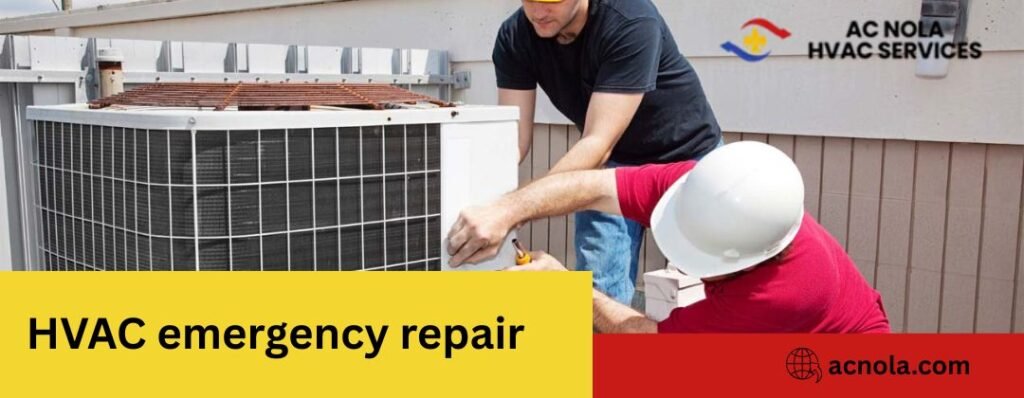
 Summer and winter bring extreme temperatures that put your HVAC system under maximum stress. When the heat rises or the cold snaps hit, simple issues can quickly turn into emergencies; this can increase energy bills and disrupt daily comfort. Seasonal HVAC breakdowns not only affect convenience but can also pose safety risks for your home and family. With proper repair and maintenance, including timely HVAC emergency repair, you can keep your system running smoothly. In this article, we’ll explore how seasonal problems can be fixed effectively.
HVAC emergency repair: Fast Solutions When Comfort Can’t Wait
1. Complete System Shutdown
When your HVAC system stops working entirely, it’s a clear emergency. In extreme heat or cold, this can quickly make your home unsafe.- No airflow from vents despite the system running
- The unit won’t respond to thermostat settings
- Sudden power loss or repeated tripping of breakers
2. Strange Noises
Odd sounds often signal mechanical trouble. Ignoring them can lead to bigger failures.- Grinding or screeching noises from worn-out parts
- Loud banging or rattling from loose components
- Hissing sounds that may indicate refrigerant leaks
3. Burning Smells or Smoke
Persistent burning odors or visible smoke are serious warning signs.- Electrical issues such as faulty wiring or overheating motors
- Risk of fire if left unchecked
- Must be addressed immediately by a professional
4. Leaks or Excess Moisture
Water or refrigerant leaks can damage both your HVAC system and your home.- Puddles forming around the unit
- Ice buildup on coils or refrigerant lines
- Mold growth risk from excess moisture
5. Uneven or No Cooling/Heating
If rooms feel drastically different in temperature, your system may be failing.- Hot spots in summer or cold spots in winter
- Weak airflow despite the system running
- Possible ductwork blockages or a failing compressor
6. Rising Energy Bills
A sudden spike in utility costs usually means your HVAC is struggling.- The system runs constantly, but delivers poor comfort
- Inefficiency caused by hidden damage
- Worn-out components are forcing the system to work harder
Why Is Immediate Attention Needed in the summer?
Extreme Load and Failure
- During peak heat, your AC runs almost nonstop. Weak capacitors, dirty coils, or restricted airflow are more likely to fail when the system is under maximum demand.
Health and Comfort Risks
- A broken AC in summer means unbearable indoor heat. High humidity can also encourage mould growth, affecting air quality and health.
High Demand for Technicians
- Emergency calls skyrocket in summer. Delays in service can leave you uncomfortable for days, making preventive maintenance in the spring essential.
Why Is Immediate Attention Needed in Winter?
Extreme Load and Failure
- Heaters work overtime in freezing temperatures. Components like heat exchangers or gas valves are more likely to break under heavy strain.
Safety and Health Risks
- A failed heater can lead to dangerously cold indoor conditions and frozen pipes. Worse, a cracked heat exchanger can leak carbon monoxide, posing serious health risks.
High Demand for Technicians
- Winter emergencies often mean longer wait times for HVAC repair services
- Scheduling maintenance in the fall helps avoid being stuck without heat when demand peaks.
| Season | Key Challenges | Risks if Ignored | Preventive Maintenance Focus |
| Summer | Extreme Load & Failure—AC runs nonstop; weak capacitors or dirty coils often fail. | Uncomfortable indoor heat, humidity leading to mold growth, and longer wait times for technicians. | Check refrigerant levels, clean condenser coils, and inspect electrical connections (April–May). |
| Health & Comfort Risks – Broken AC causes unsafe heat indoors. | Heat stress, poor air quality, and risk of mold from excess moisture. | Replace or clean filters every 30–60 days during high use. | |
| Technician Availability – High demand during peak heat. | Service delays, extended discomfort. | Schedule preventive service in the spring before demand spikes. | |
| Winter | Extreme Load & Failure – Heaters work overtime, and heat exchangers or gas valves may fail. | Freezing indoor temperatures, frozen pipes, and costly breakdowns. | Inspect the heat exchanger, test gas pressure, and check flue pipes (Sept–Oct). |
| Safety & Health Risks – A cracked heat exchanger can leak carbon monoxide. | Dangerous cold, carbon monoxide poisoning risk. | Ensure CO detectors are working and schedule furnace inspection. | |
| Technician Availability – Emergency calls surge in winter. | Longer wait times, unsafe living conditions. | Book preventive service in fall before peak season. |
Affordable HVAC Emergency Repair Costs: What Homeowners Should Expect
When an HVAC emergency strikes, one of the first questions homeowners ask is, "How much will this cost me?" The truth is, Prices vary, but working with a reliable HVAC repair service near New Orleans ensures transparent pricing and long-term value.Affordable HVAC emergency repair Costs
- Heat Kits ($600–$1,200): Heat kits are essential for electric furnaces and air handlers. When they fail, heating stops completely. Replacement ensures safe and reliable warmth during winter.
- ECM Motor ($500–$1,000): The electronically commutated motor controls airflow. A faulty motor can cause weak circulation, uneven temperatures, and higher energy bills.
- Condenser Change ($4,500–$6,500): The condenser is the heart of your cooling system. Replacing it is a major investment but necessary if the unit is beyond repair.
- Coil Change ($3,500–$6,000): Evaporator or condenser coils regulate heat transfer. Damaged coils lead to refrigerant leaks and poor cooling efficiency.
- Air Handler ($3,000–$5,500): The air handler distributes conditioned air throughout your home. A failing unit can cause complete system shutdowns.
Factors That Influence Cost
- Seasonal Demand: Emergency repairs in peak summer or winter often cost more due to high demand for technicians.
- System Age: Older systems may require more expensive parts or complete replacement.
- Type of Repair: Minor fixes like capacitor replacements are cheaper, while major component changes are more costly.
- Urgency: After‑hours or weekend emergency calls may add professional HVAC repair service
Why Affordable Doesn’t Mean Cheap?
Affordable but professional HVAC repair service means balancing cost with long‑term value. While replacing a condenser or coil may seem expensive, delaying repairs can lead to higher utility bills, unsafe conditions, or complete system failure. Preventive maintenance in spring and fall helps catch issues early, saving money and avoiding emergencies.Smart Homeowner Tip
To keep costs manageable:- Schedule seasonal tune‑ups before summer and winter.
- Replace air filters every 30–60 days.
- Ask about financing options for major repairs or replacements.
The bottom line
Seasonal extremes put a lot of pressure on HVAC systems, and acting fast is the smartest way to protect your comfort and safety. With ACNola, you don’t just get repairs—you get peace of mind from a team that values honesty and transparent pricing. Whether it’s a heat kit, ECM motor, or even a full condenser replacement, knowing the typical costs helps you plan. Affordable HVAC emergency repair keeps your home running smoothly, prevents bigger breakdowns, and ensures your family stays comfortable all year long.Frequently Asked Questions (FAQs)
Any sudden breakdown during extreme heat or cold, or issues like burning smells, smoke, or leaks.
It depends on the part: heat kits ($600–$1,200), ECM motors ($500–$1,000), condensers ($4,500–$6,500), coils ($3,500–$6,000), and air handlers ($3,000–$5,500).
Yes. Regular maintenance, seasonal tune‑ups, and changing filters every 30–60 days reduce risks.
Systems work hardest then, so breakdowns are more common and technician demand is higher.
Minor issues can be repaired, but older systems with major failures may be more cost‑effective to replace.