
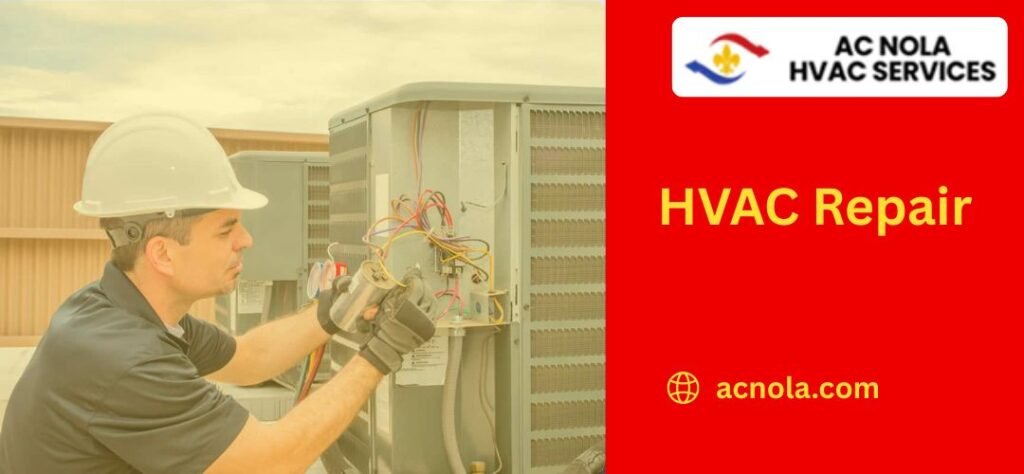
 Your home’s comfort relies largely on the performance of your HVAC system. When something goes wrong, homeowners are often faced with questions like: How much will this cost? Should I repair or replace? Understanding HVAC repair cost in the USA is essential for budgeting, planning, and making informed decisions about your home’s comfort system. In this blog, we’ll break down common HVAC repairs, provide realistic cost ranges, and share expert tips to keep your system running efficiently.
Understanding HVAC Repair Cost
Factors That Affect HVAC Repair Cost
Not all HVAC repairs are created equal. Various elements play a role in determining how much a repair will cost:- Age of the System: Older units tend to require more frequent repairs, and parts may be harder to find.
- Type of HVAC System: Central AC, furnaces, heat pumps, and ductless systems all have different repair complexities.
- Labor Costs: Labor varies across regions in the USA, and emergency repairs usually cost more.
- Parts and Brand: High-end brands often have pricier components, which can increase your HVAC repair cost.
- Scope of the Problem: Minor issues like a faulty capacitor cost significantly less than a compressor replacement.
Average Costs for Common HVAC Repairs
Here’s a breakdown of typical HVAC repairs in the USA, including cost ranges and a brief explanation of each:1. Fan Motor Replacement
- Cost Range: $150 – $500
- Why It’s Needed: Fan motors circulate air through your home. If the motor fails, your HVAC system can’t heat or cool effectively.
- What’s Included: Labor, motor replacement, and sometimes capacitor replacement.
2. Compressor Replacement
- Cost Range: $800 – $2,500
- Why It’s Needed: The compressor is the heart of your AC system. A failed compressor means your unit can’t cool your home.
- Consideration: High repair cost may justify replacement, especially for older systems.
3. Capacitor Replacement
- Cost Range: $100 – $250
- Why It’s Needed: Capacitors store and release energy to start motors. A faulty capacitor can cause your system to stop or hum without functioning.
4. Thermostat Replacement
- Cost Range: $100 – $400
- Why It’s Needed: Modern thermostats regulate temperature and can save energy. Replacing a faulty thermostat is often a simple, affordable fix.
5. Refrigerant Recharge
- Cost Range: $150 – $350
- Why It’s Needed: Low refrigerant levels reduce cooling efficiency. A recharge ensures your AC system operates optimally.
HVAC Repair Services You Should Consider
Professional HVAC repair services ensure your system operates safely and efficiently. While minor DIY fixes may be tempting, hiring experienced technicians provides peace of mind, preserves warranties, and often prevents future costly repairs. Key services to consider include:- Comprehensive inspections to detect issues early
- Cleaning or replacing air filters
- Checking and repairing ductwork for leaks
- Electrical and refrigerant system checks
Tips to Reduce HVAC Repair Cost
Maintaining your system proactively can save hundreds—or even thousands—over the lifetime of your HVAC unit. Here’s how:1. Regular Maintenance
Schedule seasonal check-ups (spring for cooling systems, fall for heating). Replace filters every 1–3 months, depending on use. Inspect ducts for leaks or blockages. Regular maintenance keeps your system efficient and reduces emergency repair expenses.2. Address Minor Issues Quickly
Don’t ignore unusual noises, uneven temperatures, or reduced airflow. Small problems like worn belts or minor electrical issues can escalate into expensive repairs if left unchecked. Prompt attention minimizes overall HVAC repair cost.3. Choose Trusted HVAC Repair Services
Hiring licensed, experienced technicians ensures quality work. Look for service guarantees and warranties on parts and labor. Reliable professionals can accurately diagnose problems and prevent unnecessary replacements.When to Repair vs Replace?
Many homeowners often wonder if it’s better to fix their HVAC system or invest in a replacement. Here’s what to consider:- Repair Cost vs System Age: If the repair is more than 50% of the system’s replacement cost and your system is over 10–15 years old, replacement may be wiser.
- Energy Efficiency: Older systems are less efficient. A new unit may save money in the long term on utility bills.
- Frequency of Repairs: Systems needing repeated repairs may cost more in the long run than investing in a new system.
Conclusion
Understanding HVAC repair cost is crucial for homeowners who want to maintain comfort while staying within budget. From fan motors to compressors, every repair has its own cost range and complexity. Regular maintenance, prompt attention to minor issues, and hiring trusted HVAC repair services are the most effective ways to minimize expenses. For reliable HVAC maintenance, repairs, and installations, AC Nola provides expert service tailored to your home’s needs, helping you save money and keep your system running efficiently.Frequently Asked Questions (FAQs)
Minor repairs like capacitors or thermostats range from $100–$400, while major repairs like compressors can reach $2,500.
Simple tasks like filter replacement are safe, but most repairs require professional expertise to ensure safety and efficiency.
At least twice a year: spring for AC and fall for heating. Regular maintenance prevents costly emergency repairs.
Yes. Central AC, heat pumps, and furnaces have different components and repair requirements, which influence cost.
Look for licensed technicians with good reviews, service guarantees, and clear pricing. Trusted professionals can save money by preventing unnecessary repairs.